Breaking the silence; understanding and overcoming postpartum depression

The birth of a baby is generally considered a joyful time, but it is also a time when women face an insidious mental health condition postpartum depression (PPD). This disorder typically occurs two to eight weeks after giving birth, with symptoms similar to those of depression, such as sadness, lack of enjoyment in usual activities, exhaustion, difficulty focusing, sleep problems, and appetite changes.

In India where cultural norms and societal expectations play a crucial role, understanding and addressing PPD is essential. World Health Organization (WHO) has estimated that around 20% of women in developing countries experience postpartum depression after childbirth, often leaving them struggling with profound sadness, and anxiety, and experiencing difficulties forming a bond with their infant.

According to the National Institute of Health (NIH) in India, a comprehensive study involving 20,048 women across 38 studies found that 22% of new mothers in India suffer from postpartum depression (PPD). Despite its high prevalence, PPD often goes undiagnosed and untreated, particularly in rural areas. The pervasive stigma around mental health, reluctance to visit psychiatrists, cultural norms, and insufficient support from partners and family members make it very challenging for many women to seek help. Additionally, societal norms in India often emphasize the baby’s well-being over the mother’s mental health, further silencing discussions about PPD.

Dr. Natisha Ozha, a psychiatrist who has personally experienced PPD and was born and raised in Rajasthan, emphasizes that PPD has multiple causes: biological, psychological, and social. Biologically an immediate decline in the hormones estrogen and progesterone in your body and an increase in prolactin and oxytocin. Psychologically, the loss of personal control due to a newborn demand can cause stress and a disturbed sleep cycle. Socially, the birth of a female child, inconsistent support, domestic violence, marital conflict, and financial worries can worsen PPD. For Dr. Ozha this subject is profoundly personal. “Whenever postpartum depression is discussed, I feel anxious and unable to sleep” she shares. Married into a traditional family, she faced additional challenges. When her symptoms emerged during pregnancy, her initial reaction was steeped in cultural beliefs. “Someone has cast a negative influence on you,” her family insisted. Various rituals and chants were prescribed, but they brought no relief. Even as a trained psychiatrist, accepting that she had PPD took immense courage.

We focus so much on the babies and physical health, but often neglect the mother’s emotional well-being, she explains. Empathetic, non-judgmental listening can make a significant difference. Sharing personal experiences and encouraging new mothers to seek help from professional mental health experts is vital.

Contrary to common misconceptions, there are effective ways to overcome postpartum depression. As a variant of depression, professional help is essential for PPD. Psychiatrists and psychologists can evaluate the severity and provide appropriate treatments, including counseling for mild to moderate symptoms and potentially hospitalization or medication for severe cases.

To enhance maternal mental health care, Dr. Ozha proposes two innovative solutions. First, she suggests implementing a mental health report card for pregnant women, which would be attached to their antenatal records to track mood, sleep, appetite, anxieties, and pre-existing mental health conditions. This would aid in early identification of high-risk individuals. Second, she advocates for the creation of one-stop centers that integrate gynecologists, pediatricians, psychiatrists, and lactation consultants. According to her, “Every postpartum follow-up should include a compulsory PPD screening by a psychiatrist,” to reduce the stigma associated with seeking mental health support.

Addressing postpartum depression (PPD) in India calls for a revision in our approach towards maternal mental health support. Highlighting the significance of mental well-being alongside physical health during postpartum care can break down societal barriers and cultivate a more empathetic atmosphere for new mothers. Through these inclusive measures, we enable mothers to navigate the complexities of PPD, thereby fostering their personal growth and ensuring the welfare of their children.

Written By Aparna Verma for DSF

A Reasonable Consumer for Responsible Consumption & Production.

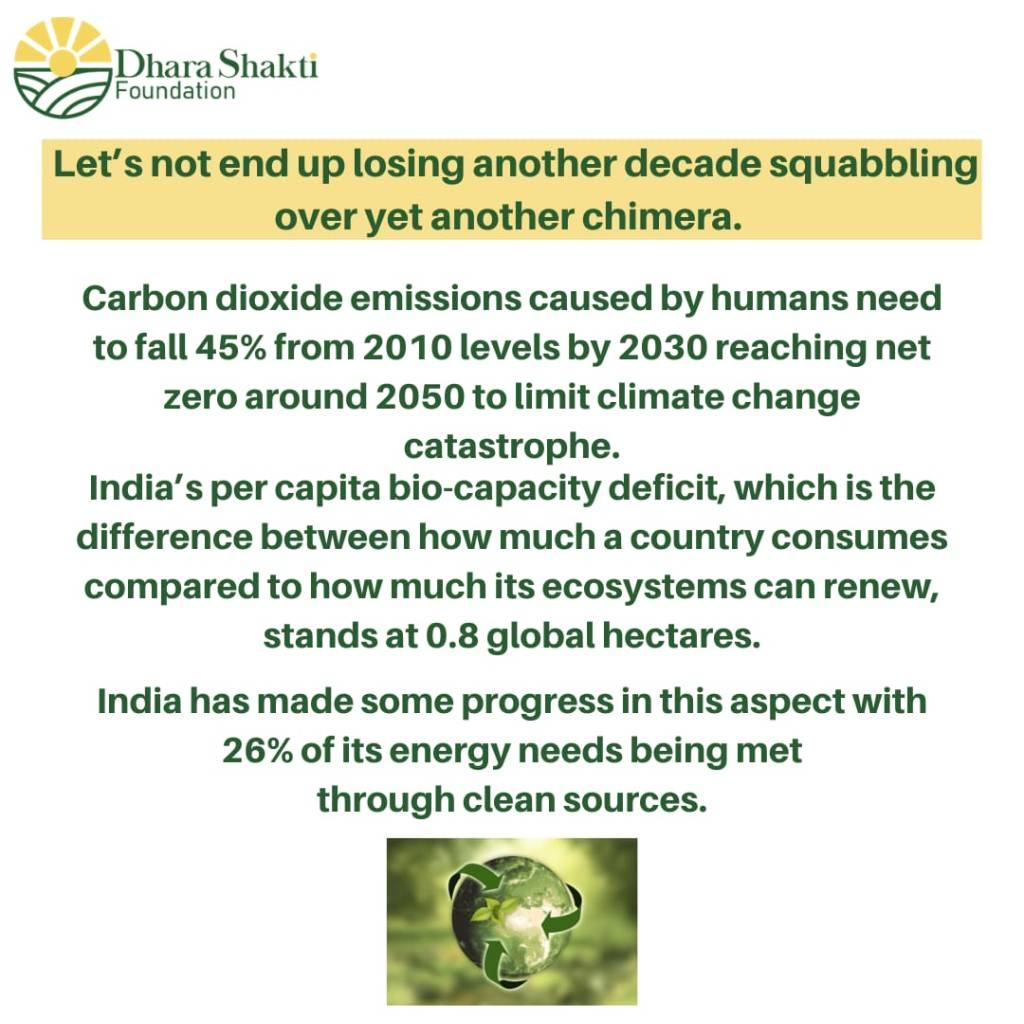
Economic growth is a perennial theme that rules modern day discourse with entire nations & their government investing thousands of man-hours as well as big money into planning, implementing & monitoring various programmes to achieve ever-increasing targets of economic growth. Economic growth has a direct bearing on the standard of living, absolute poverty levels & life expectancy of a population. However, to ensure that people everywhere enjoy peace & prosperity by 2030, and well into the future, as emphasised in the Sustainable Development Goals (SDGs) adopted by UN member states, it is imperative that economic growth march hand-in-hand with sustainable development measures. To put things into perspective, globally, energy needs account for 60% of total green-house gas emissions. Carbon dioxide emissions caused by humans need to fall 45% from 2010 levels by 2030 reaching net-zero around 2050 to limit climate change catastrophe. It is pertinent to note here that carbon dioxide emissions stood at 38.47 billion metric tonnes in 2010, rose to 43.04 billion metric tonnes in 2019 before hovering just over 39 billion metric tonnes in 2020. The problem at hand is acute which can only be managed through sweeping policy changes, heightened sense of our impact on the planet, technological breakthroughs, greater entrepreneurship in this area as well as intentional effort by each of us, as consumers, to adopt more planet-friendly lifestyles. 

SDG 12, which is ‘responsible consumption & production, brings into focus the need to reduce our ecological footprint by shifting the demands we make on the planet to maintain modern day lifestyles. It is alarming to realise that, as per 2018 data, it would take nearly 1.7 planets to fulfil the demands of the global population. This number is much higher when developed & highly industrialised nations are considered alone. Ecological footprint takes into account how fast we consume and generate waste to meet our needs for energy, housing, timber & paper, food & fibre and products from fisheries. With an ecological footprint of 1.2 global hectares per person per year, in 2017, India’s per capita bio-capacity deficit, which is the difference between how much a country consumes compared to how much its ecosystems can renew, stands at 0.8 global hectares. 

In this regard, the UNDP has set various global targets. Amongst the comprehensive list of global targets, relating to efficient use of natural resources, waste handling, reduction of waste in the food industry among others, there are some that are critical for ensuring continuity of sustainable development across the globe, well beyond the 2030 timeline. The following are stepping stones that will help nations & communities develop indigenous solutions to local challenges that threaten the planet by disturbing the ecological balance of nature. Some of these are as follows:

i. By 2030, ensure that people everywhere have the relevant information & awareness for sustainable development & lifestyles in harmony with nature

ii. Support developing countries to strengthen scientific & technological capacity to move towards more sustainable patterns of development.

Sustainable Lifestyles & Education is one of the six components of the UNDP’s 10-year Framework of Programmes on Sustainable Consumption & Production. 

A short quiz on www.footprintcalculator.org will take the test-taker through a battery of questions about lifestyles choices, commute, primary energy sources & waste generated by the test-taker’s household. This is a great starting point, where the test taker finds out her/his own ecological footprint as well as a deep dive into its components. Finally, it ends with useful suggestions that nudge the test taker in the direction of sustainable lifestyle choices. Most people from the developed & industrialised nations will be appalled to find out that their seemingly innocuous lifestyles, if maintained for the rest of the world population, may require 3 or 4 or even more planets. 

For most people, the biggest chunk of their ecological footprint comes from carbon dioxide emissions, which result from using fossil fuels for powering our homes & commuting to work. At present, globally the share of renewable energy is only 20%. India has made some progress in this aspect with 26% of its energy needs being met through clean sources. An encouraging policy environment & increased focus on renewable sources such as wind & solar energy, by major oil companies is a positive shift in energy consumption patterns, which could help India achieve its target of generating 40% of its energy from clean sources and thereby cutting on carbon emissions by 30-33% by 2030. 

It is significant to note the impact social entrepreneurs can create in the sphere of sustainability. Santipada Con Chaudhari, the ‘Solar Man’ of India who developed the first centralised power station, was able to successfully introduce solar energy in the villages of Tripura by procuring government funding in the 1980s. Availability of clean energy has contributed significantly to the economic progress in the region. Today, there are various start-ups invested in making electric vehicles widely available in the Indian market. Take the case of Hyderabad based Gear Head Motors, who help convert existing bikes & auto-rickshaws into electric vehicles. A combination of the right policy initiatives, such as the India Inclusive Innovation Fund, set up to scale innovation, and entrepreneurial initiative from within local communities, is the need of the hour to propel progress in a manner that’s least hurtful to the planet. There are several inspiring examples within the country where indigenous innovation has led to creative problem solving for local communities. With seed funding from IIT Bombay, Thane based RuKart Technologies, makers of on-site ‘sub jee-coolers’, have been able to provide a low cost solution to the problem of spoilage of food crops. The unique ‘subjee coolers’ work on the evaporation principal and hence do not require the additional investment in power utility. Solutions like these can hugely help mitigate the challenge of wastage in the food industry, at a time when forests are increasingly being converted into croplands while 2 billion people go hungry or malnourished. The food industry alone accounts for 22% of total greenhouse gas emissions. 

As consumers of various goods, we must be conscious of the impact we create. For those of us, consuming a animal products based diet, perhaps, once a week or once a fortnight, we can decide to try a refreshing vegetarian recipe. Vegetarianism or vegan food choices can help reduce emissions by 63-70%. 

A single pair of jeans, requires 3781 litres of water, from the production of cotton to the final delivery to the store. Investing in good quality items of clothing or including outfits made from up-cycled fabric can help shift our pattern of consumption over time. While, we can immediately make easy tweaks to our lifestyles, we can also control how are homes are designed & built to be environment-friendly. Households can cut water use by 45% just by installing water efficient fittings and fixtures. An important first step on the journey towards sustainability, is awareness of our impact as well as the availability of smarter alternatives for our needs. In this regard, social media is significant in not only gaining mass traction for ideas around sustainability but also connecting consumers to conscious businesses that offer products & services that supportive of our planet.

Written by Pearl Singh

Coronavirus Returns: Don’t rehash the slip-ups of 2020

Coronavirus is an encompassed RNA infection, going from 60 nm to 140 nm in diameter with a crown-like appearance, found in warm blooded animals especially in humans and birds. COVID is known to have changed and recombined conduct causing respiratory, enteric, hepatic, and neurologic illnesses. The primary episode of COVID-19 happened in Wuhan, Hubei Province in early Dec 2019 where a few patients with viral pneumonia were discovered to be epidemiologically connected with the Huanan fish market in Wuhan. On 30th January 2020, the World Health Organization (WHO) proclaimed a flare-up, a Public Health Emergency of International Concern (PHEIC) and on Feb 2020, WHO authoritatively named this outbreak of the infection related with the COVID as COVID-19 where CO-Corona, VI-Virus D-Disease, and 19–2019 is the year it basically happened. 

India which is the second-biggest populace on the planet having a country based and developing metropolitan economy was additionally experiencing a serious outbreak of COVID-19. India arrived at its initial 1 lakh cases on18th May 2020, and as of 11th July crossed 8.5 lakh cases. Coronavirus not only killed individuals through infection invasion but also because of monetary and mental breakdown, where agricultural nations experienced joblessness and appetite. Within 15 days (15th to 30th March), affirmed instances of COVID-19 in India duplicated by multiple times. As of 30th March, India crossed in excess of 1071 cases with 29 deaths. India authorized 68 days of four-staged lockdown beginning from 24th March ∼31st May to manage COVID-19. 

The clinical symptoms of COVID-19 incorporate fever (not in all), breathing trouble, dormancy, cerebral pain, myalgia, sore throat, and conjunctivitis (additionally sometimes). Thus, recognizing this sickness from other respiratory diseases was persistently difficult. The Indian government (central and state level) was working strongly to limit the quantity of cases and outcomes day by day and was finding all important ways to battle the difficulties and danger presented by this developing undetectable pandemic conflict including public, medical caretakers, NGOs, including paramilitary. Sincere endeavors of all the bleeding edge laborers particularly clinical specialists, attendants, medical care staff, disinfection laborers, police faculty, volunteers, and compliance of individuals of India has been the lone conceivable explanation attributable to the control and therapy of pandemic. India launched ‘ArogyaSetu’ mobile application for tracking the movements. 

With no antibody or antiviral medication accessible against SARS-CoV-2, Hydroxychloroquine (HCQ) was being prompted as chemoprophylaxis drug for asymptomatic medical services faculty taking care of COVID-19 cases, cutting edge laborers. 

Clinical officers faced crucial time in India. Under the ordinary situation, accessible beds per 10,000 individuals were 3.2 for rural and 11.9 for metropolitan which needed to be increased to oblige COVID-19 patients. Separation, dread, vulnerability, financial strife are specifically a couple of issues that significantly caused mental misery among people because of COVID-19. In India destitution, starvation, hunger is as yet an issue that will be raised because of

COVID-19. Mass joblessness was probably going to make disappointment and drove individuals to constant pressure, nervousness, discouragement, liquor reliance, and self-hurt. 

Air contamination in India is extreme and unfavorably affects human wellbeing causing in excess of 3,50,000 new instances of youth asthma and 16,000 unexpected deaths consistently. Because of lockdown, air flight, and each conceivable method of transportation, alongside enterprises, which are the essential wellsprings of air contamination were stopped. Subsequently an improved air quality was obvious. Likely the climate is the solitary area that got a positive effect of this COVID-19 situation. International energy organisations announced that worldwide coal use was 8% lower in the main quarter of 2020. 

India is still battling and there is a natural neurosis noticeable all around as India defies an abrupt flood in COVID-19 cases. What’s more, we are at risk for committing a portion of similar errors once more. The most epic stumble is that we are being pulled once more into speculation in the vocabulary and language of lockdowns. A year on, we additionally realize more than we did beforehand. We realize we ought not go dashing to the emergency clinic in a frenzy if our heartbeat oximeter hurls good numbers; we realize that we for the most part need high-stream oxygen and not ventilators; and we realize that all remedial medication is by experimentation, generally paracetamol meets steroids and last carefully when required. 

The most emotional distinction somewhere in the year of 2020 and 2021, obviously, is that vaccinations are presently accessible. And this is where our urgent focus should be, rather than on an alarmist daily tabulation of how many people have tested positive. It’s a no-brainer that we need to universalise vaccination coverage for all adults in the contamination zones. 

As the country that produces 60% of the world’s vaccines, and as an innovator in mass vaccination programs, this ought to be more than possible for us. Be that as it may, a traditional, administrative outlook has all the earmarks of keeping us down. The immunization program should be reset and targeted.This is the place where our COVID-19 discussion should be focused — later on. Not in returning to thoughts like lockdowns that are unfavorable to the soundness of countries. 

Written By Dakshata Jain

Conserving Water : The Value of Water in Rajasthan

Rajasthan faces one of the greatest scarcities of water resources in the country. It has 13.88% of India’s cultivable area, 5.6% of the population and 11% country’s livestock but it has only 1.1.6% of surface water and 1.70% of groundwater. Thus, Rajasthan a state with about 10% of the country’s land area has only around 1% of the its water resources.

After a short spell of monsoon coupled with erratic and scanty rainfall, Rajasthan is the most water-deficient state in the country. Rajasthan is situated in India’s semi-arid and arid region, characterised by high temperatures, low precipitation and mild winters. The average annual rainfall is approximately 313673 mm. Drought is the state’s most common recurrent disaster. All state districts have been declared drought-affected, having a serious impact on the bare survival needs of people, including safe drinking water and adequate nutrition.

Currently, the population is rising at a very rapid pace, and the dissemination of technological innovations has placed extreme pressure on the natural resources available. Every day, the difference between the supply of resources and the demand for resources is growing. The human instinct of survival is becoming even more competitive because water is one of the key natural resources for sustainability determination. There are three main sources in Rajasthan for supplying water, i.e. water from rain, water supply by canals, and groundwater extraction.

Rainwater contributes to a very limited supply in Rajasthan. The rainfall is approximately 10-25 cm with very few rainy days. To make use of water during the year, people rely on water harvesting techniques to collect rainwater. The Indira Gandhi Canal (IGC), which transfers water from the western Himalayas to western Rajasthan, acts as a ray of hope for the people of western Rajasthan. But the small canal capacity is not capable of feeding the demand of the entire regions. A large portion of it does not have access to the water provided by the IGC. When the rainwater and canal together do not fulfil the huge water demand, groundwater comes into use. While groundwater is not accessible in all places, it differs from place to place in terms of accessibility and land. If the depth of tube wells increases, the consistency of groundwater often worsens. The increased depth of tube wells provides the water with a very high TDS value, which increases the soil’s salinity and alkalinity, contributing to reduced farming returns.

With a multi fold increase in the population, Rajasthan has experienced unregulated urban expansion, which has had adverse effects on the state’s surface and ground waters. The quality of surface water in Rajasthan has been significantly and adversely influenced by industrial processes. Because of the discharge of industrial wastewater to the stormwater drainage network, many water sources have become unsightly and foul-smelling. Furthermore, the drying up of surface water bodies has caused complete dependence on groundwater supplies to meet increasing domestic and industrial water demands. The availability of groundwater in Rajasthan has also fallen to a critical limit, with more than 500 per cent over-exploitation in some areas and extreme quality degradation.

The government of Rajasthan and several private companies are taking various measures to boost Rajasthan’s water resources. Water Resource Vision 2045 is one such initiative taken up by the government under the State Water Policy, which was prepared to highlight the short-term (up to 2015) and long-term (up to 2045) thrust areas and action plan that are prerequisites for the successful implementation of the State Water Policy and to achieve the aim of optimum use of every drop of the scarce and valuable available water.

There are many ways that we can also help improve the quality of and access to water. To gather and store rainwater for drinking or recharging underground aquifers, one may introduce rainwater harvesting systems, and build wells to draw groundwater from aquifers that are underground. Via the use of filters, solar disinfection, or flocculants, we can provide home water treatment capabilities to keep drinking water healthy, to provide low-cost alternatives, such as chlorine tablets or plastic bottles that can be exposed to sunlight, to enhance water quality.

Written by Mriganka Kumari

Building Sustainable and Equitable Smart Cities

The definition of a “Smart City” varies from city to city and country to country, depending on the level of development, willingness to change and reform, resources and aspirations of the city residents. A smart city would have a different connotation in India than, say, the Netherlands. Even in India, there is no singular definition of a smart city. Broadly, a smart city would be one that uses technology to solve the city’s problems. 

Three layers usually work together to make this happen. First is the technology base, which includes a critical mass of smartphones and sensors connected by high-speed communication networks. The second layer consists of specific applications. Translating raw data into alerts, insight, and action requires the right tools, and this is where technology providers and app developers come in. The third layer is usage by cities, companies, and the public. Many applications succeed only if they are widely adopted and manage to change behavior. They encourage people to use transit during off-hours, to change routes, to use less energy and water and to do so at different times of day, and to reduce strains on the healthcare system through preventive self-care.

Smart and sustainable cities remain an integral part of the goals adopted by all United Nations Member States in 2015, providing a shared blueprint for peace and prosperity for people and the planet, now and into the future. At the heart of this plan are 17 Sustainable Development Goals (SDGs), which are an urgent call for action by all countries – developed and developing – in a global partnership. Smart cities can be essential to achieving SDG -11(sustainable cities and communities)

The logic behind the UN’s strategic adoption of smart cities is well founded. As urbanization, industrialization, and consumption grow, environmental pressures multiply. Applications such as building-automation systems, dynamic electricity pricing, and some mobility applications could combine to cut emissions by 10 to 15 percent. Water-consumption tracking, which pairs advanced metering with digital feedback messages, can nudge people toward conservation and reduce consumption by 15 percent in cities where residential water usage is high. In many parts of the developing world, the biggest source of water waste is leakage from pipes. Deploying sensors and analytics can cut those losses by up to 25 percent. Applications such as pay-as-you-throw digital tracking can reduce the volume of solid waste per capita by 10 to 20 percent. Overall, cities can save 25 to 80 liters of water per person each day and reduce unrecycled solid waste by 30 to 130 kilograms per person annually. Air-quality sensors do not automatically address the causes of pollution, but they can identify the sources and provide the basis for further action. Beijing reduced deadly airborne pollutants by roughly 20 percent in less than a year by closely tracking the sources of pollution and regulating traffic and construction accordingly. Sharing real-time air-quality information with the public via smartphone apps enables individuals to take protective measures. This can reduce negative health effects by 3 to 15 percent, depending on current pollution levels.

Specifically for India, more than 70% of the population is expected to be living in cities by 2050. The idea behind the Smart Cities project here is to provide urban citizens their basic needs in a simplified manner. With many studies revealing that even by 2030, 50 percent of India’s population will shift to an urban ecosystem, there is a pressure on the country to develop smart cities which can accommodate the increasing population against odd concerns such as climate change and resource constraints. As such, both from an environmental and sustenance standpoint, the development of smart cities has been prioritised.

However, the human element in the growth of such cities is something that has been largely neglected in the first generations of smart cities around the globe. Increasingly, cities are beginning to recognize the importance of citizens and endogenous contributors inside the city or community for the creation of solutions tailored to the needs of their residents and visitors. After all, the ultimate goal of all smart city efforts and aspirations is to increase quality of life and to ensure (economic) prosperity for all. The residents of a city or community play a crucial role in creating and implementing the right processes and solutions. Technology and data are key enablers, but without the smartness of people, proper engagement will not be achieved. 

Written By – Ena Kaushal

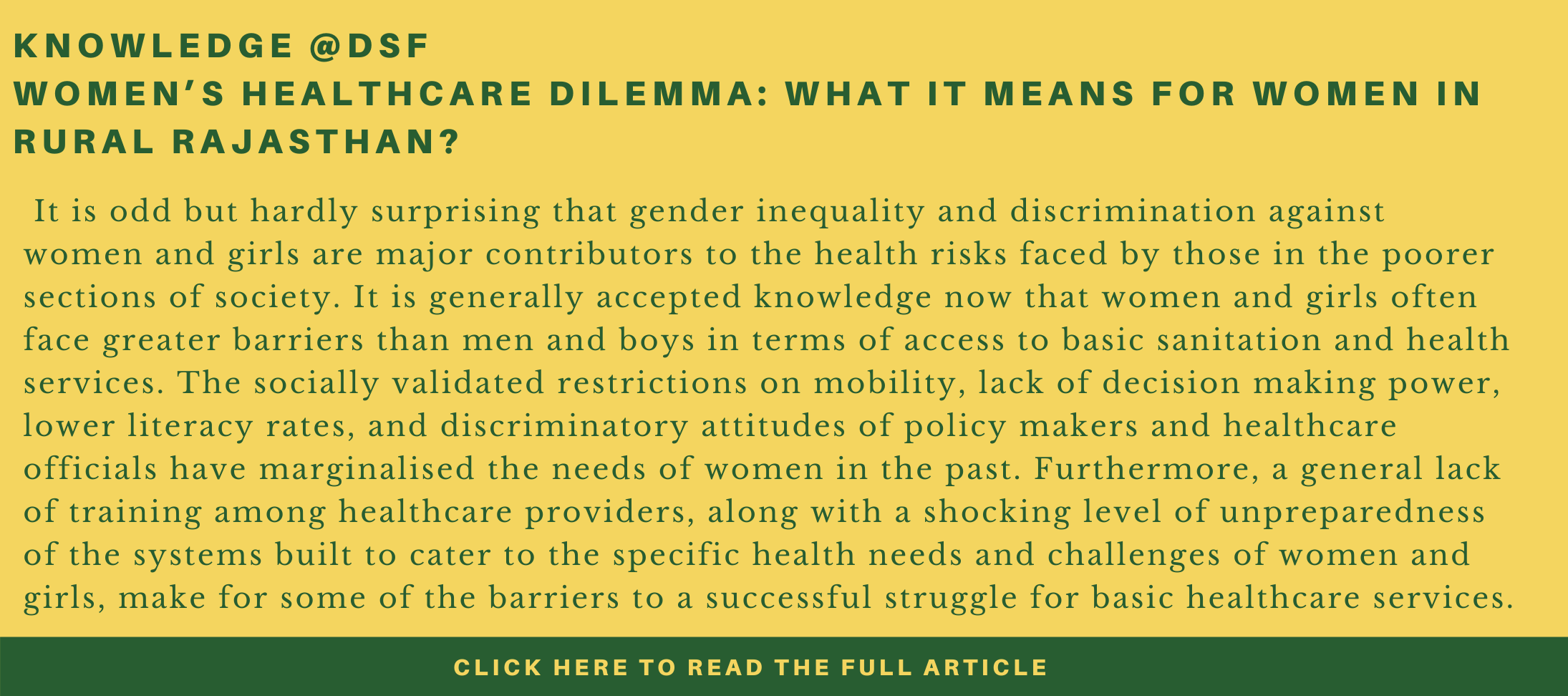
Women’s Healthcare Dilemma: What it means for women in rural Rajasthan?

It is odd but hardly surprising that gender inequality and discrimination against women and girls are major contributors to the health risks faced by those in the poorer sections of society. It is generally accepted knowledge now that women and girls often face greater barriers than men and boys in terms of access to basic sanitation and health services. The socially validated restrictions on mobility, lack of decision making power, lower literacy rates, and discriminatory attitudes of policy makers and healthcare officials have marginalised the needs of women in the past. Furthermore, a general lack of training among healthcare providers, along with a shocking level of unpreparedness of the systems built to cater to the specific health needs and challenges of women and girls, make for some of the barriers to a successful struggle for basic healthcare services.

As such, women face greater risks of unintended pregnancies, sexually transmitted diseases along with cervical cancer, malnutrition, lower vision, respiratory infections, and elder abuse- all commonplace yet ignored. Women and girls also face unacceptably high levels of violence rooted in gender inequality and are at a grave risk of harmful practices such as child, early and forced marriage. WHO figures show that about 1 in 3 women worldwide have experienced either physical and/or sexual intimate partner violence or non-partner sexual violence in their lifetime.

Women of Rajasthan, specifically, while usually partaking in agricultural practices and contributing a major share of the family’s economy in terms of food grains, milk, fuel, fiber, timber and so on, face a similar struggle. The average sex ratio of the region is low, along with the literacy status of the women. The participation of women in tertiary sectors such as medical, teaching, administrative and other official services is also lower than the male population. Hinting at a disbalance of power even in light of equitable contribution to the economy, further research highlights that the excess workload in reality, when coupled with inadequate nutrition, leads to severe malnutrition among women. Women of this majorly rural state are busy in various household activities and consequently almost 42 % of them fall under the grip of moderate to severe malnutrition. This malnutrition also leads to complications during pregnancy. NFHS (1998-99) found that severe anaemia in India is the highest in Rajasthan at (69.4 %). 

This could perhaps be the reason that the maternal mortality rate in Rajasthan is 318, the infant mortality rate is 55 and the child sex ratio is an abysmal 883 girls against 1,000 boys. Women in India face a number of issues on a regular basis. All states have their own struggles to confront. However, the condition of women in Rajasthan is especially pitiable in comparison to other states. Infamous for child marriages, here, women still collect water from uncovered wells and cook food on firewood. Besides, the desert state also has the lowest female literacy rate- way below the national average of 65.46, at 53.33. The women are not well employed either. The reproductive span of women here is second highest in the country. When taken together, these facts highlight a level of inequality in all systems that is rooted in gender. Especially for healthcare, there is a dire need of immediate rectification lest more women and unborn children fall victim to this social dogma that is yet to be highlighted and brought down.

Fortunately, off late, several initiatives have been rolled out to increase accessibility of healthcare services in rural Rajasthan. One such initiative is exemplified by the National Rural Health Mission of the Government of India, which has been working towards increasing the level of “communitization” – to facilitate healthcare services in the rural regions of Rajasthan. “Aanganwadi” centres and Accredited Social Health Activists (ASHAs) have been providing services such as awareness campaigns, and access to prenatal health care services in an effort to improve the situation of women across states in India. “Sahyoginis” – additional women health workers – have been recruited in the state of Rajasthan to support the Asha and Anaganwadi workers. 

The efficiency of such large-scale efforts however, remains to be gauged while the scale of the same doesn’t seem to match that of the issues at hand. In depth studies to validate models that best resonate with the people and a magnification of said efforts seem to be the logical next steps. Hopefully, we as a people can continue to do our bit for the upliftment of an ignored social class. 

Written by Ena Kaushal

Paving the way forward for Education

According to UNDP statistics, 57 million primary-aged children remain out of school. 103 million youth worldwide lack basic literacy skills and more than 60 per cent of them are women. 6 out of 10 children and adolescents are not achieving a minimum level of proficiency in reading and math.

Education is one of the most important tools for the advancement of any nation. In the words of Delors Commission (UNESCO 1996) “Education is at the centre of personal and community development, it enables each of us to develop all our talents to the full and realise our creative potentials along with responsibility for our own lives and achievement of our aims.” Quality education enables students to develop all of their attributes and skills to realise their potentials as human beings and members of society. It means looking into what desirable changes the educational institutions want to make in each student. People learn basic norms, rules, regulations, and values of society through education. Moreover, high-quality education enables us to steer a successful life, enhances our intelligence, skills, knowledge, and brings positive changes in our life. Quality education is the one that focuses on the whole- the social, emotional, mental, physical and cognitive development of each student regardless of any kind of discrimination. It provides the outcomes needed for people, communities and societies to prosper.

In every government, education is one of the most important pillars for growth and advancement of the nation. India has made considerable progress in getting children enrolled in schools, this has not led to children getting a quality education. Many times the difference between quantity and quality education is overlooked. The most efficient education systems are those that combine equity and quality. They give children opportunities for good quality education. School failure castigates a child for life. The students who leave school without completing upper education or without the relevant skills have fewer life prospects. The same child is additionally less likely to require further learning opportunities and less able to participate fully within the civic and democratic aspects of modern societies. Educational failure also imposes high costs on society. Poorly educated people limit economies’ capacity to produce, grow and innovate. Reducing school failure strengthens individuals and societies capacities to respond to a recession and contribute to economic growth and social well-being.

An innovative way to facilitate learning which is gaining popularity now is Digital Education. Digital Education is the use of digital tools and technologies during teaching and learning and is often referred to as Technology Enhanced Learning (TEL) or e-Learning. Digital learning is more than offering students a laptop, it needs a mix of technology, instruction and digital content. The digital education system has revolutionized the process of learning in the classroom. It has made learning more mobile, interactive and interesting motivating students to take interest and maintain it. Digital learning offers students some command over factors like place, time pace, and path.

Digital learning is going to be the key face of future education within the subcontinent. The penetration of digital education into the hinterland/rural market is growing fast. Affordable high-speed internet and direct-to-device technologies are empowering rural students to review courses online and improve their skills and knowledge.

The education sector in rural India is battling various challenges like shortage of teachers, outdated teaching methods, inadequate student-teacher ratio, and insufficient teaching resources. However, with the digitalization of education, students in educationally backward areas are being taught with the help of the newest teaching tools and methodologies. The technology is also helping teachers connect with student remotely spread across several locations at a time.

Digital education also has shortcomings associated with access, devices, content, curation, teachers, training, testing, exams, grades, funding and facilities. Right now government schools and colleges do not have the resources to provide for digital education even the teachers are not trained for this form of education. These issues can certainly be fixed with the right resources as digital education is the way forward. It can encourage today’s youth in a lot many ways to learn and engage themselves in the vast sea of knowledge being freely made available to them through the digital revolution.

Written by Mriganka Kumari